
ALS – an insidious, complex, and fatal disease
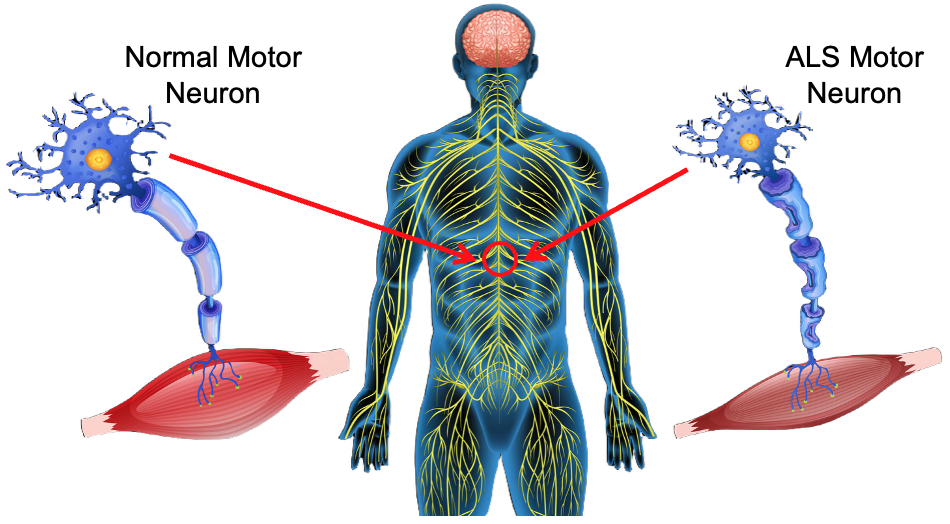
ALS steadily strips away a person's ability to speak, swallow, walk, move, and ultimately breathe. The cause: the motor neurons in the brain and spinal cord that control the body's muscles lose function and die. Most patients die of respiratory failure within 2 to 5 years of diagnosis.
ALS motor neurons fail on multiple fronts at once: mitochondria break down, synapses degenerate, axons and dendrites deteriorate, neurons are overwhelmed by excess neurotransmitter, and neuroinflammation surges. Together, these compounding failures overwhelm the neuron's ability to survive.
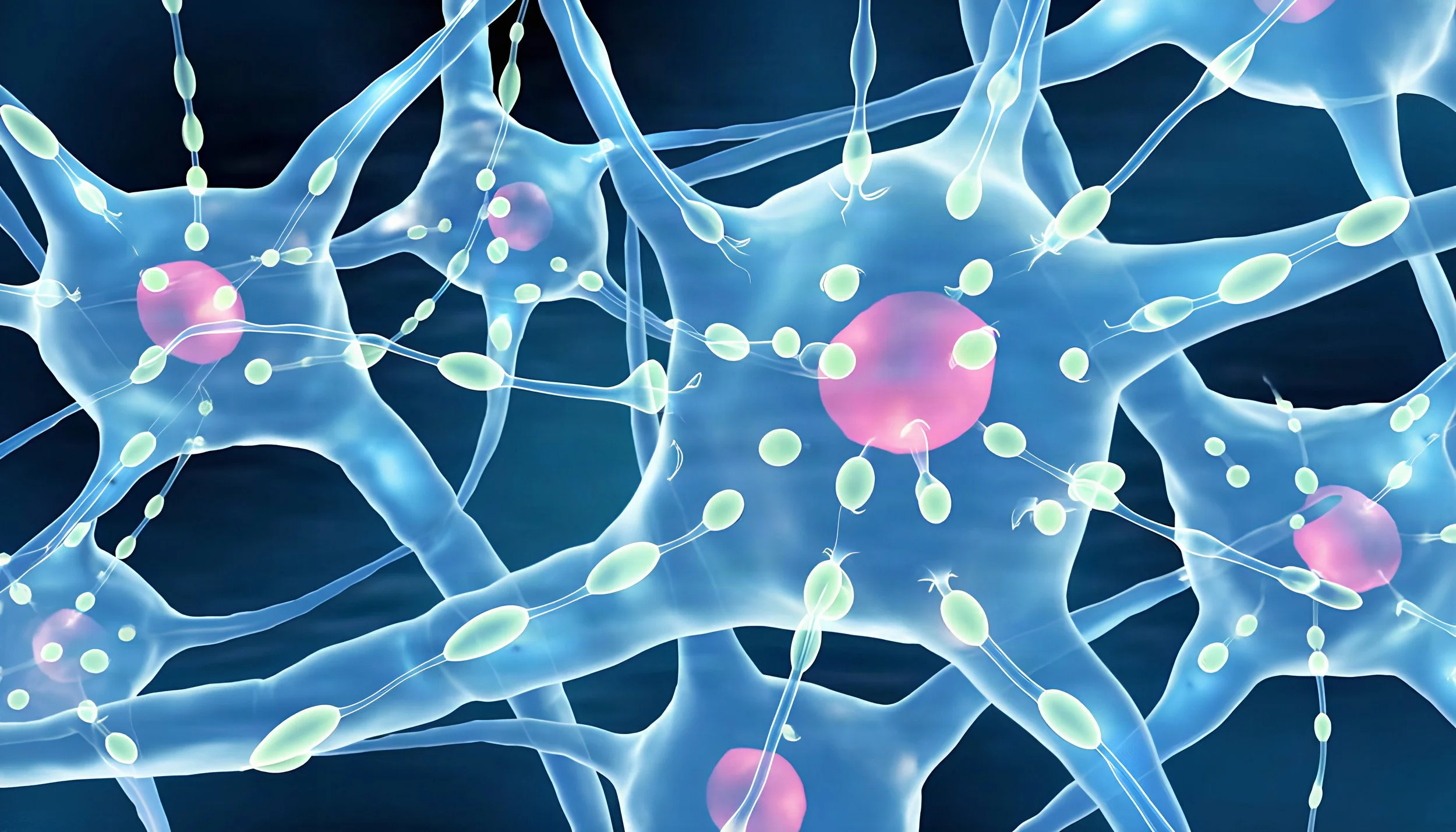
Healthy
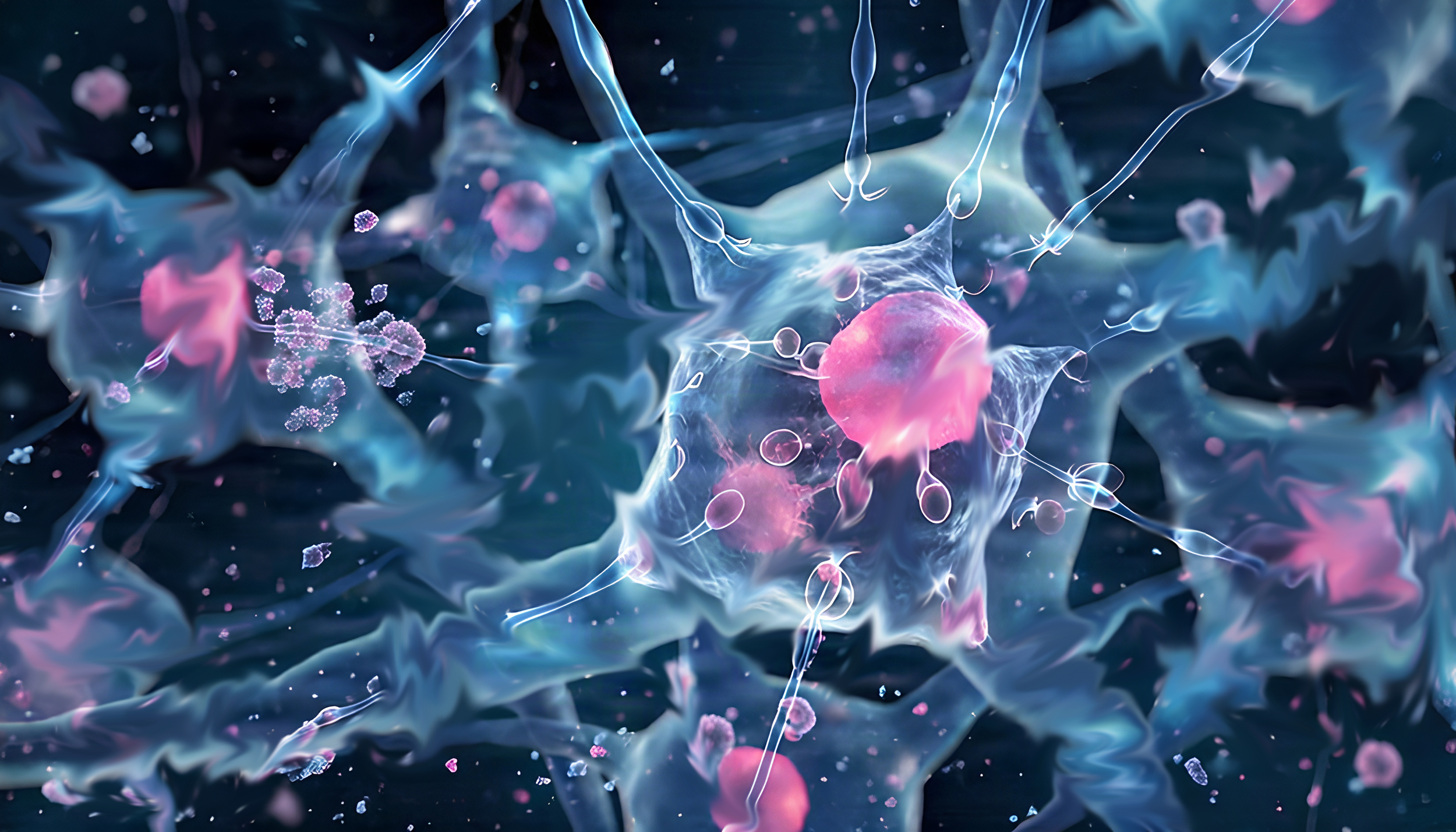
ALS
No drug available today meaningfully slows this progressive decline. For the tens of thousands of patients living with ALS, an effective therapeutic could not be more urgent.